What is Sciatica?
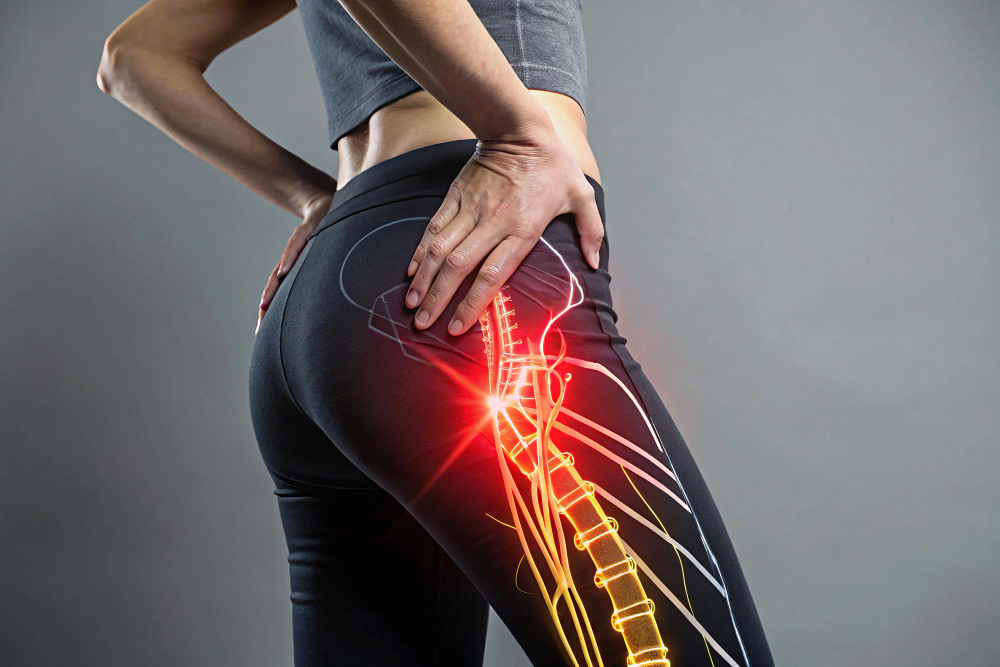
Sciatica is a common condition that causes pain along the sciatic nerve. This nerve runs from your lower back, through your hips, and down each leg. Often, people feel pain on just one side of the body. Because sciatica pain can be sharp or burning, it can make daily tasks hard. However, understanding sciatica can help you find relief and prevent future problems.
Common Causes of Sciatica
Many things can lead to sciatica. Usually, it happens when something presses on the sciatic nerve. For example, a slipped or herniated disc is a top cause. But other reasons can also trigger sciatica pain.
Sometimes, being overweight or sitting for long periods can raise your risk. In addition, jobs that require heavy lifting may also cause sciatica.
Recognizing Symptoms of Sciatica
Sciatica symptoms can vary from mild to severe. Most often, the pain starts in the lower back and travels down one leg. But you may notice other signs as well.
Because these symptoms can affect daily life, it is important to seek help if they last more than a few days.
How Sciatica is Diagnosed
Doctors use several steps to diagnose sciatica. First, they ask about your symptoms and medical history. Next, they perform a physical exam to check your strength and reflexes. Sometimes, they may order tests to find the exact cause.
With these tools, doctors can find the best treatment for your sciatica pain.
Treatment Options for Sciatica
There are many ways to treat sciatica. Most people feel better with simple steps at home. However, some may need medical care for lasting relief.
Because each person is different, your doctor will help choose the best sciatica treatment options for you.
Lifestyle Tips and Prevention
While sciatica can be painful, you can take steps to lower your risk. For example, simple changes in your daily routine may help prevent future flare-ups.
In summary, these habits can help keep your back healthy and lower your risk of sciatica pain.
If you have ongoing pain or new symptoms, consult Dr Durg Pratap Singh for personalized advice on managing sciatica.