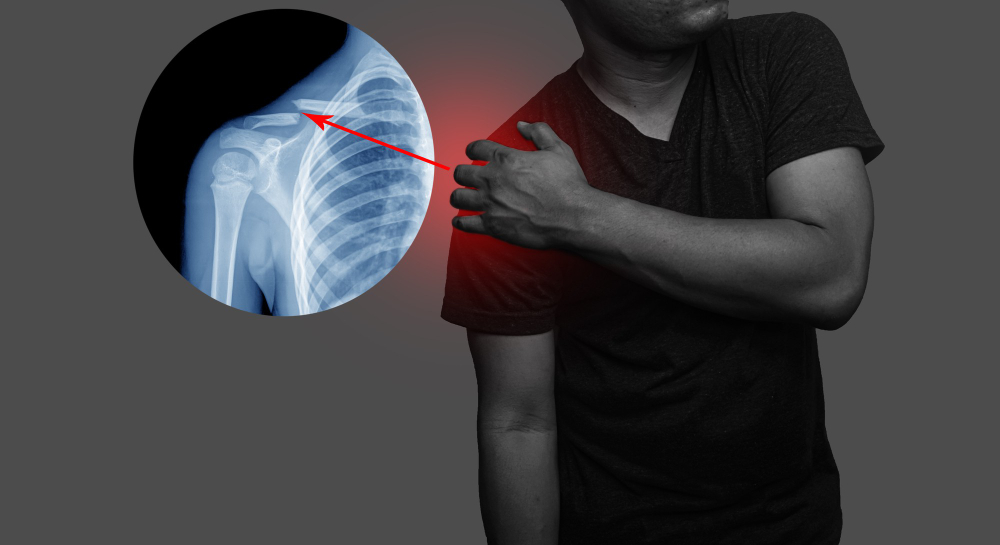
What is Recurrent Shoulder Dislocation?
Recurrent shoulder dislocation happens when the shoulder joint slips out of place more than once. This condition is also called shoulder instability. The shoulder is a ball-and-socket joint. Because it moves in many directions, it is more likely to become unstable after an injury. If you have had a shoulder joint injury before, you may be at higher risk for repeated dislocations. Many people with this problem feel pain and weakness in the shoulder. Early treatment can help prevent more damage.
Common Causes and Risk Factors
There are several reasons why someone may have recurrent shoulder dislocation. Often, the first dislocation stretches or tears the tissues that hold the joint in place. After that, the shoulder may slip out more easily. In addition, some people are born with loose ligaments, which can make the joint less stable.
For example, young athletes are more likely to develop shoulder instability. However, anyone can be affected.
Recognizing the Symptoms
Recurrent shoulder dislocation has clear signs. You may notice the following symptoms:
Sometimes, you may hear a popping sound when the shoulder moves. If you notice these symptoms, it is important to seek medical help.
How is it Diagnosed?
Doctors use several steps to diagnose recurrent shoulder dislocation. First, they will ask about your medical history and past injuries. Next, they will examine your shoulder for signs of instability. Often, doctors use imaging tests to get a clear picture of the joint. These may include:
With these tests, doctors can find the cause of your shoulder instability and plan the best orthopedic treatment.
Treatment Options
Treatment for recurrent shoulder dislocation depends on your age, activity level, and how often the shoulder slips out. In many cases, doctors start with non-surgical options. For example, they may suggest:
However, if these steps do not help, surgery may be needed. Surgery can repair torn tissues or tighten loose ligaments. After surgery, physical therapy is important for recovery. Most people return to normal activities with proper treatment.
Prevention Tips and Lifestyle Guidance
Although not all cases can be prevented, you can lower your risk of recurrent shoulder dislocation. Here are some helpful tips:
Additionally, staying active and healthy can support joint strength. If you have had a shoulder joint injury, take extra care during daily activities.
When to See an Orthopedic Specialist
If your shoulder keeps slipping out or feels unstable, it is time to see an orthopedic specialist. Early treatment can prevent further damage and improve your quality of life. Moreover, if you have pain, swelling, or trouble moving your arm, do not wait to get help. An orthopedic doctor can guide you through the best treatment options for recurrent shoulder dislocation.
In summary, recurrent shoulder dislocation can be managed with the right care. Consult an orthopedic specialist Dr. Durg Pratap Singh for personalized advice on recurrent shoulder dislocation.