Introduction
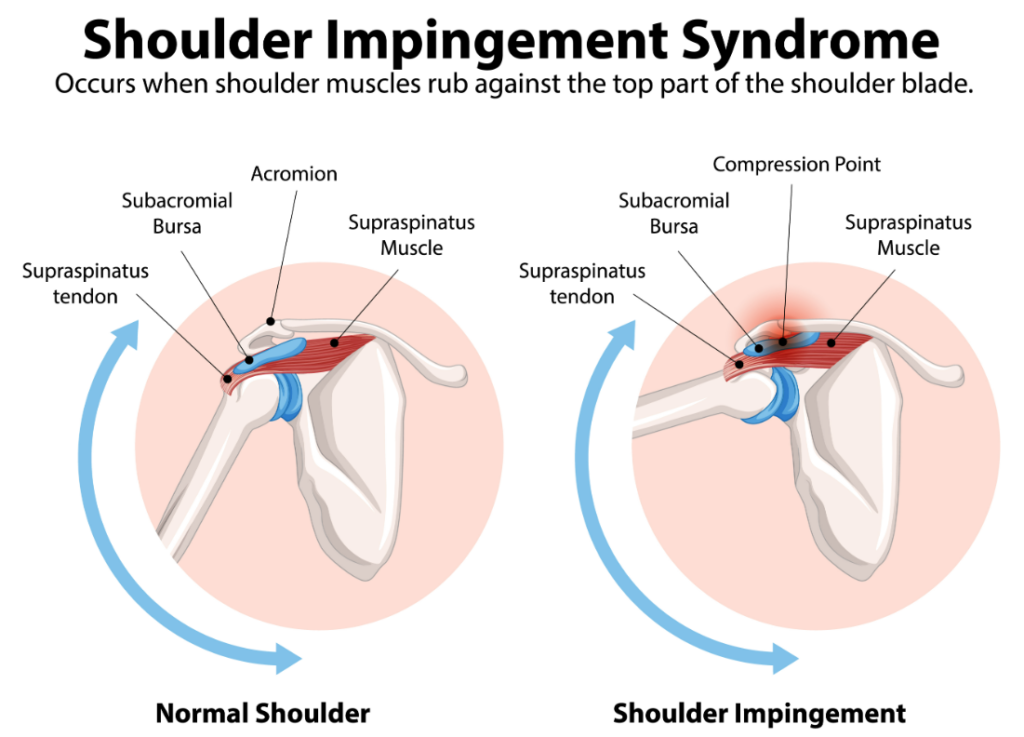
Shoulder impingement is a common cause of shoulder pain. It happens when the tendons or bursa in your shoulder get pinched or squeezed. This can make daily tasks hard and painful. Many people with shoulder impingement find it tough to lift their arm or reach overhead. Early care can help prevent long-term problems. According to the CDC, shoulder pain is a leading reason for doctor visits. Understanding shoulder impingement can help you find relief and avoid further injury.
Symptoms
Shoulder impingement symptoms can vary, but most people notice pain and weakness. Often, the pain gets worse with certain movements. For example, reaching up or behind your back may hurt. You might also feel discomfort at night, especially when lying on the affected side. In some cases, swelling or tenderness may occur. Watch for these common signs:
If you notice these symptoms, it is important to seek advice. Early treatment can help you recover faster.
Causes and Risk Factors
Shoulder impingement often develops from repeated use or injury. Overhead activities, such as painting or swimming, can increase your risk. Sometimes, a fall or sudden movement may also cause it. Age can play a role, as tendons wear down over time. Other risk factors include:
Because these factors can add up, it is wise to take steps to protect your shoulder.
Diagnosis
Doctors use several methods to diagnose shoulder impingement. First, they will ask about your symptoms and medical history. Next, they will examine your shoulder for pain, swelling, or weakness. Often, they will ask you to move your arm in different ways. If needed, imaging tests can help confirm the diagnosis. Common tests include:
With these tools, your doctor can find the cause of your shoulder pain and suggest the best treatment.
Treatment Options
Treatment for shoulder impingement usually starts with simple steps. Most people improve with rest and physical therapy. However, some may need more advanced care. Here are common treatment options:
In rare cases, surgery may be needed. Surgery can remove bone spurs or repair damaged tissues. Your doctor will discuss the best option for you. If you are looking for shoulder impingement treatment in your area, ask your healthcare provider for local options.
Lifestyle and Home Care Tips
Simple changes at home can help manage shoulder impingement. For instance, you can:
Because small steps can make a big difference, follow your care plan closely.
Prevention Strategies
Preventing shoulder impingement is possible with a few smart habits. For example, you can:
Since prevention is easier than treatment, make these habits part of your daily routine.
When to See a Doctor
If your shoulder pain does not improve after a few days of rest, see a doctor. Also, seek help if you notice:
Because early care can prevent lasting damage, do not wait too long to get help.
Consult Dr. Durg Pratap Singh for personalized advice on shoulder impingement.