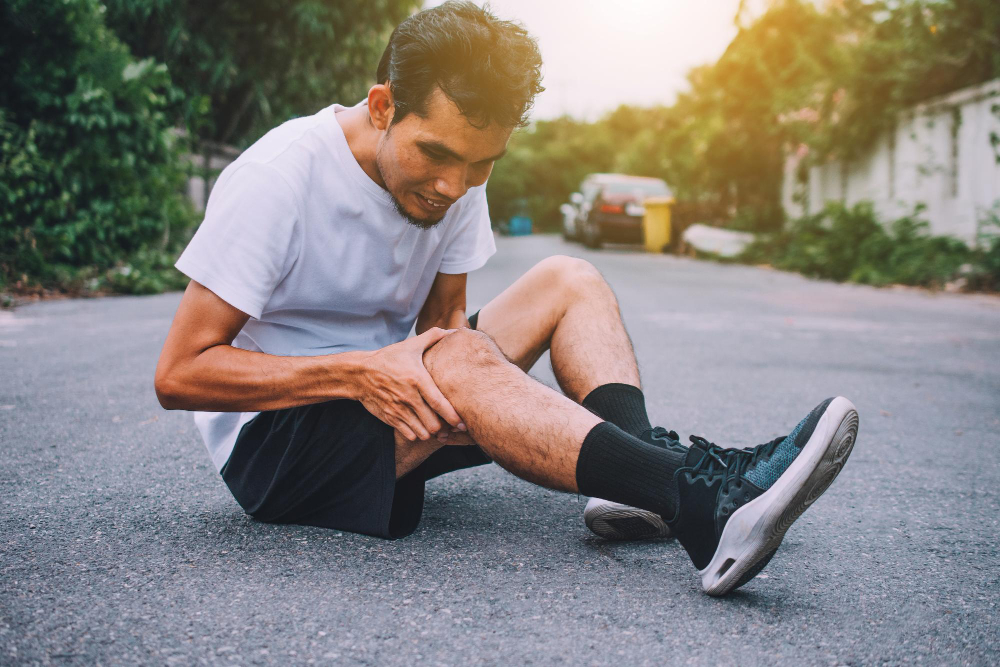
What is an ACL Tear?
The ACL, or anterior cruciate ligament, is a strong band inside your knee. It helps keep your knee stable. An ACL tear happens when this ligament gets stretched or torn. Often, this injury occurs during sports or sudden movements. For many people, an ACL tear can cause pain and trouble walking. Because knee injuries are common, it is important to know the signs and treatment options for an ACL tear.
Common Symptoms of an ACL Tear
After an ACL tear, you may notice some clear signs. For example, many people hear a popping sound at the time of injury. You might also feel your knee give out or buckle. Other common ACL tear symptoms include:
Sometimes, you may not be able to put weight on your leg. If you notice these symptoms, it is best to see a doctor soon.
Causes and Risk Factors
Most ACL tears happen during sports or physical activities. For instance, sudden stops, quick changes in direction, or jumping can put stress on the knee. Some common causes include:
In addition, certain people have a higher risk of ACL injury. Women, for example, are more likely to tear their ACL due to differences in muscle strength and body structure. Playing high-impact sports also increases your risk. Wearing poor footwear or having weak leg muscles can add to the danger.
How ACL Tears are Diagnosed
Doctors use several steps to diagnose an ACL tear. First, they ask about how the injury happened and your symptoms. Next, they check your knee for swelling, tenderness, and movement. Often, doctors use special tests to see if your knee is stable. For a clearer view, your doctor may order imaging tests such as:
Sometimes, these tests help confirm if you have an anterior cruciate ligament tear. Early diagnosis can help you start the right treatment sooner.
Treatment Options for ACL Tears
Treatment for an ACL tear depends on your age, activity level, and how bad the injury is. In many cases, doctors suggest a mix of rest, ice, and physical therapy. For mild tears, non-surgical care may work well. However, some people with severe tears or active lifestyles may need surgery. Common ACL injury treatment options include:
After treatment, your doctor will guide you on how to recover from ACL tear safely.
Lifestyle Tips and Recovery Guidance
Recovering from an ACL tear takes time and patience. For best results, follow your doctor’s advice closely. Here are some helpful tips for recovery:
Additionally, avoid rushing back to sports or heavy activities. Instead, let your knee heal fully to lower the risk of another injury.
Preventing ACL Tears
While not all ACL tears can be prevented, you can lower your risk. For instance, warming up before exercise helps prepare your muscles. You can also:
By following these steps, you can help protect your knees and stay active longer.