Introduction
Stroke recovery is a journey that often takes time and patience. After a stroke, many people face challenges with movement, speech, or daily tasks. However, rehabilitation plays a key role in helping people regain lost abilities. In fact, stroke recovery is most successful when started early and guided by experts. With the right support, many people can improve their quality of life and restore function.
What Is Stroke Recovery?
Stroke recovery is the process of healing and regaining skills after a stroke. A stroke happens when blood flow to the brain is blocked or reduced. This can damage brain cells and affect how the body works. Recovery means working to get back as much function as possible. For example, some people may need to relearn how to walk or speak. Others may need help with memory or daily activities. Each person’s recovery is different, but support and therapy are always important.
Why Is Rehabilitation Important After a Stroke?
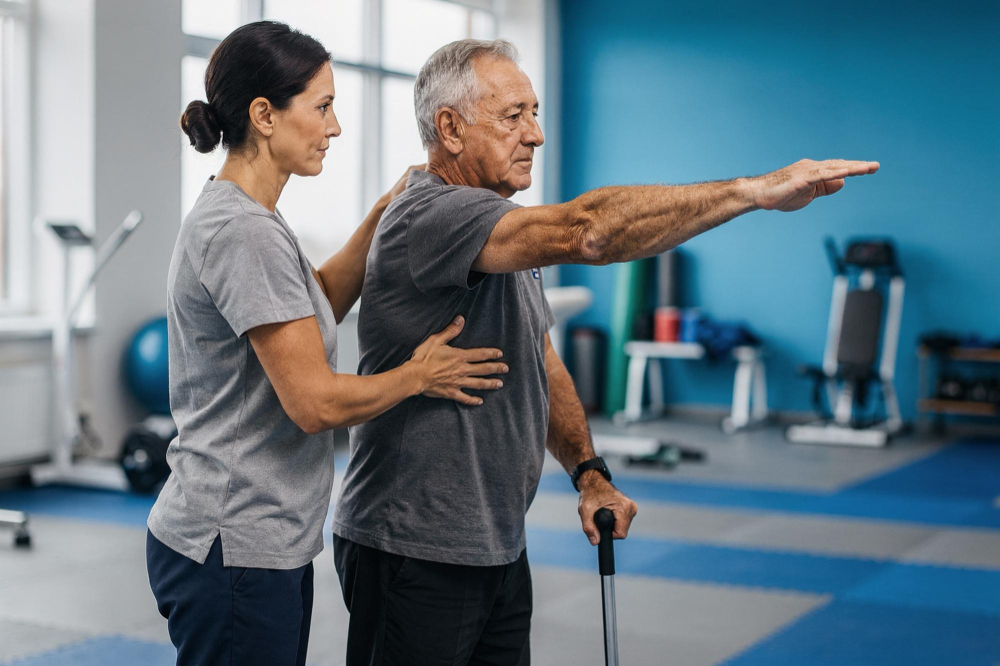
Rehabilitation is vital for stroke survivors. It helps the brain and body relearn lost skills. According to the World Health Organization (WHO), early rehab can improve outcomes and reduce long-term disability. Moreover, post-stroke therapy can boost confidence and independence. Without rehab, many people may struggle to regain movement or perform daily tasks. Therefore, starting rehabilitation soon after a stroke is key to better recovery.
Types of Rehabilitation Therapies
There are several types of rehabilitation therapies that support stroke recovery. Each therapy targets different needs. Some common therapies include:
In addition, some people may benefit from group therapy or support groups. These therapies work together to address the whole person, not just the physical effects.
How Rehabilitation Restores Function
Rehabilitation helps the brain form new connections. This process is called neuroplasticity. For example, when you practice a movement, the brain learns new ways to control the body. Over time, these new pathways can help restore lost skills. Therapists use exercises and activities that match each person’s needs. As a result, many people see steady progress. According to the Centers for Disease Control and Prevention (CDC), regular rehab can lead to better strength, balance, and independence.
Tips for Supporting Stroke Recovery at Home
Family and friends play a big role in stroke recovery. Here are some stroke recovery tips for home support:
Additionally, staying in touch with the rehab team helps track progress and adjust goals as needed.
Prevention of Future Strokes
Preventing another stroke is just as important as recovery. There are several steps you can take:
By following these steps, you can lower your risk of another stroke and support long-term health.
Conclusion
In summary, stroke recovery is possible with the right rehabilitation and support. Early and ongoing therapy helps restore function and improves quality of life. If you or a loved one is recovering from a stroke, consult Dr. Durg Pratap Singh for personalized stroke recovery guidance.